A studio that chooses its own work.
From CV to hiring decision
Focus areas: projects, brands, research, made-to-order
Gates every new project passes before a quote
Self-initiated to commissioned work, the split Phil chose
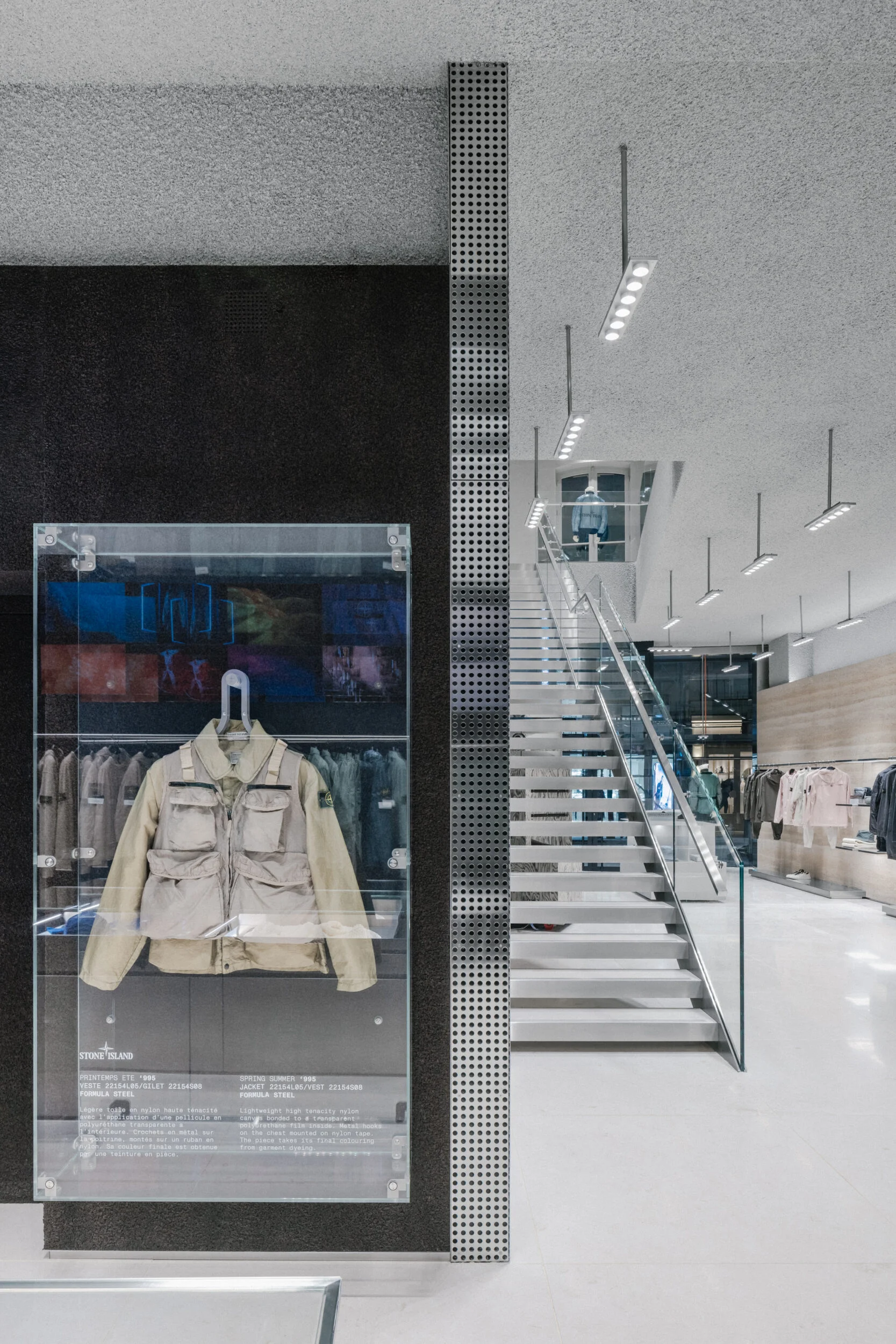
Studio Phil Procter designs furniture, products, systems and spaces, and builds them itself, for clients such as Depot Boijmans Van Beuningen, Muuto, New Balance and Stone Island. The studio was always behind: long days to meet deadlines, finished work slow to reach the world, and incoming projects filtered on gut instinct. A studio manager was already planned, and a planning tool had been tried without a way in. Every decision still waited on Phil. The partnership started with the hire and grew into a way of running the studio: a North Star that filters projects, four clear focus areas, and playbooks the team works from.
Always behind, and choosing work on gut instinct.
Phil described a constant feeling of being behind: long hours to meet deadlines, endless lists, slow publishing of finished work. Incoming projects were filtered on instinct. He had tried a planning tool before and did not know where to start. His priority was clear: a studio that runs smoothly, with no bottlenecks.
A studio manager in 24 hours.
The CV arrived at noon. Fifteen minutes later Phil had a short set of interview questions built on freedom, stress tolerance, growth and boundaries. He ran the interview that afternoon and decided the next morning. The start date followed two and a half weeks later. Phil led the interview. The structure came from the partnership.
Name the whole package.
Clients come because the studio can design complex systems and realise them itself. The positioning now says so: design, engineering and supply, for museums, public space, brands and people. The offer splits into four focus areas, in the studio's own words: projects, brands, research and made-to-order pieces.
A filter that costs something.
Phil wrote his own lists. Wanted: work he is proud of, more creative time, a choice of projects, a 30/70 split of self-initiated to commissioned work. Avoided: working weekends, doing everything himself, growth for its own sake. Every enquiry now passes three gates. In its first months the North Star turned down two commissions that paid well and did not fit. A filter that never costs anything filters nothing.
Some work pays for the studio. Some work is the studio.
A furniture collaboration turned into a plan: a catalogue of made-to-order pieces that funds the dream projects. The offer grew from a design fee into design, supply and licensing. Research gets first claim on the studio's time, and its work on metal folding puts the studio's design skills next to new manufacturing technology. Rates now start from real running costs, quotes come in phases, and every project ends with a post-mortem.
A rulebook for the studio and the team.
The studio operating model and the offer rule were written with Engineer and made official. They set how the studio works with clients, partners and rights, so the team can act on a decision without waiting for Phil. The Operator System holds them, next to the North Star.