Name the lens. The rest is focus.

Projects in the archive
Years of architectural photography
Evenings to build the new website, by Ossip himself
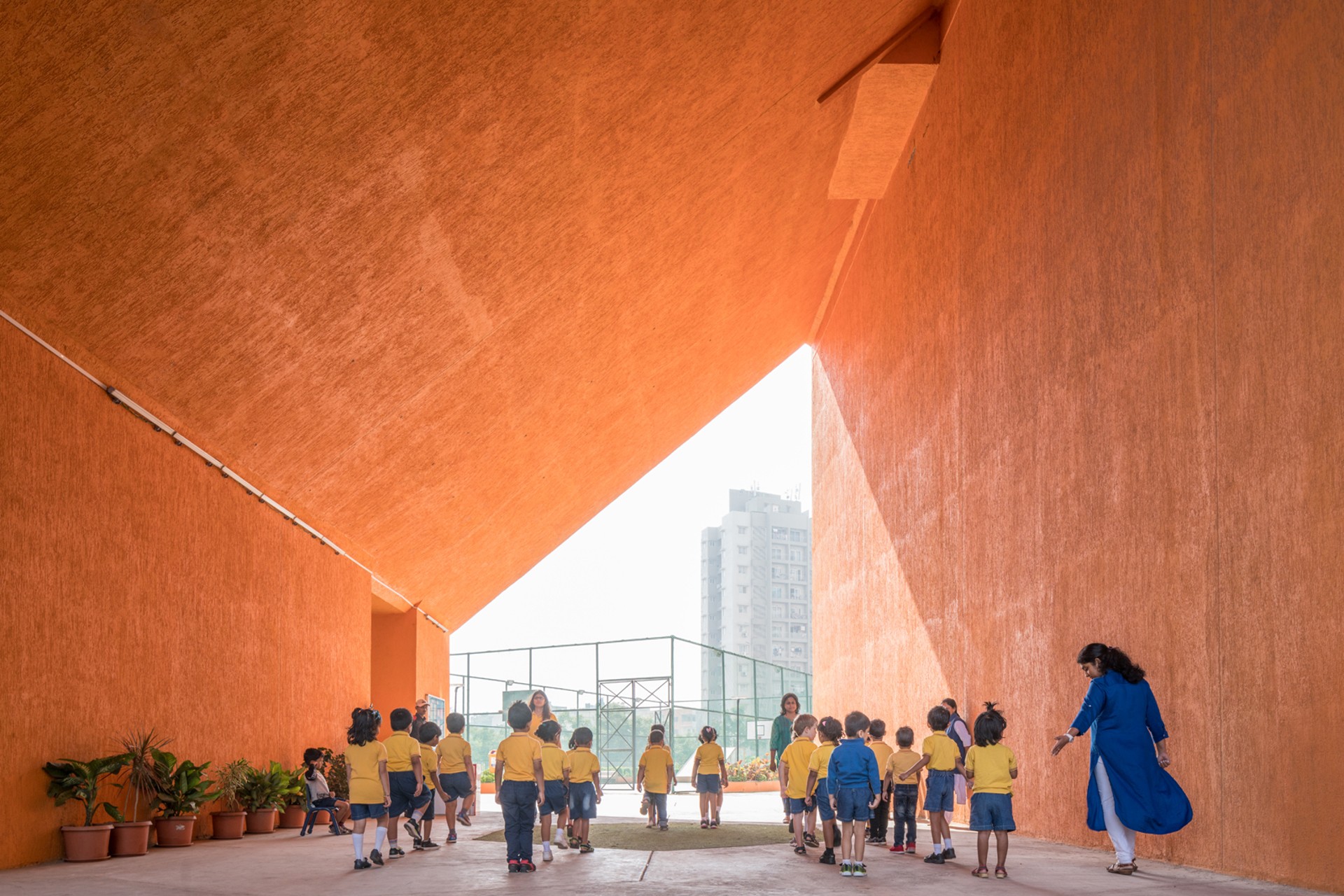
Ossip van Duivenbode has photographed buildings, cities and the people who use them for fifteen years, for Mecanoo, MVRDV, OMA and Studio Drift, among others. His archive holds more than a thousand projects: a visual history of how Dutch cities changed. Most commissions came from a category he had never chosen, and the archive had never been read as a statement. The contacts were there and the images were there. A proactive move had never been made, because the direction was not yet clear enough to act on. The order was set before anything was built: read the archive, name the lens, decide what the practice will and will not do. The website and the stories came after.
From archive to argument.
The commissions came in, the work got made and the reputation grew, inside a category he had never chosen. The archive held the evidence: images that knew what the practice stood for before the photographer had the words. The order was set before anything was built. Read the archive as a statement, name the lens, decide what the practice will and will not do. The website and the pitch came after.
If you were your own client, what would you demand?
The Founder Compass names the purpose of the practice, its direction and its explicit refusals. It is written for the photographer first. Every commission, collaboration and opportunity passes through it before the answer is yes.
From key projects and clients to key stories.
A portfolio sorted by client and project shows what was asked. Stories show what the photographer sees: how a city changes, what he notices, what he carries. Purpose decides which images are told. The North Star decides which commissions come next.
An archive unread as strategy.
The identity was implicit and never stated. The contacts and the images were there. A proactive move had never been made, because the direction was not yet clear enough to act on.
Identity before visibility.
The archive was read against a named lens. A client model sorted commissions into three categories, each with its own strategy. A pitch structure was built, and a website brief written for voice before aesthetics. Ambitions were mapped at one, three and ten years, with quality criteria for every commission that comes in.
A named practice.
The dream clients have names now. The website went live in September 2026, built in two evenings by Ossip himself. A Stories section followed in October, with writing behind the images: how he sees cities, what he notices, what he carries. The site moved from Work to Work and Stories.