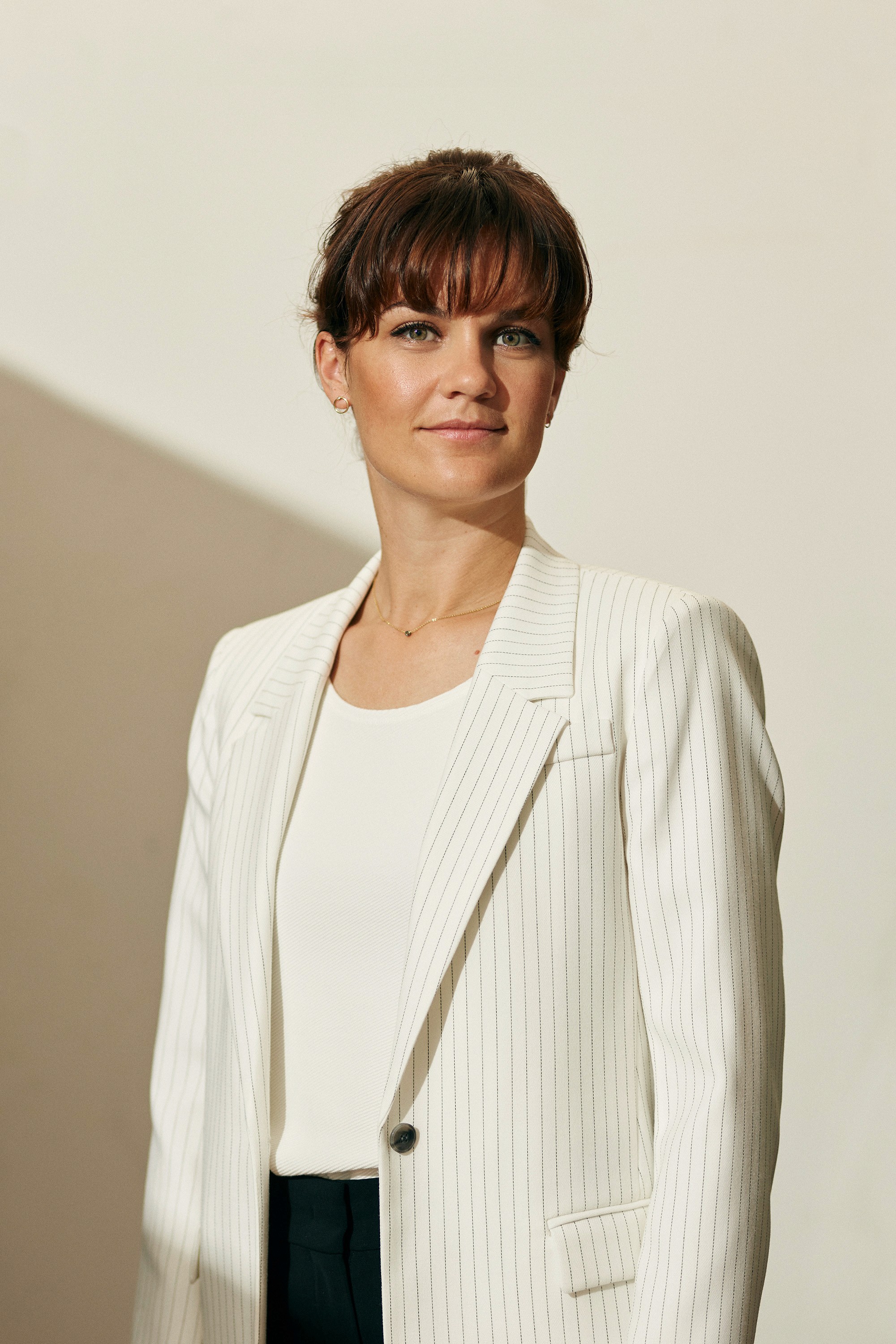
ANNE KREMERS
Director Fenix Museum
EP TITLE
On Building the Fenix Museum: Leadership, Loss, and the Making of a New Cultural Landmark
EP TITLE
Anne Kremers is the director of FENIX, the new migration museum in Rotterdam. Her career moved from becoming the Netherlands’ youngest museum director at 24, to several years in Hong Kong, and eventually back to Rotterdam. Today, she leads a museum that merges contemporary art, architecture, public space, and personal histories into one evolving institution. Anne speaks about leadership under pressure, the emotional stretch of parenthood and grief, the impatience that drives her, and what it means to carry the responsibility of a story that belongs to many. She reflects on confidence, doubt, resilience, and how a museum only becomes real the moment its doors open, and people step inside.
EP TITLE
EP TITLE
EP TITLE
ANNE KREMERS
Director Fenix Museum
34
34
02
EP TITLE
On Building the Fenix Museum: Leadership, Loss, and the Making of a New Cultural Landmark
EP TITLE
Anne Kremers is the director of FENIX, the new migration museum in Rotterdam. Her career moved from becoming the Netherlands’ youngest museum director at 24, to several years in Hong Kong, and eventually back to Rotterdam. Today, she leads a museum that merges contemporary art, architecture, public space, and personal histories into one evolving institution. Anne speaks about leadership under pressure, the emotional stretch of parenthood and grief, the impatience that drives her, and what it means to carry the responsibility of a story that belongs to many. She reflects on confidence, doubt, resilience, and how a museum only becomes real the moment its doors open, and people step inside.
EP TITLE
EP TITLE
EP TITLE
WHY I ASKED THIS GUEST
EP TITLE
Today I'm joined by Peter Adolf, a visionary garden designer whose work has transformed how we experience landscapes known for projects like a eyeliner in New York and Ry Garden in Chicago. Peter spent decades redefining the relationship between plant spaces and emotion.
In this episode, we dive into his early challenges and creative breakthroughs. He shares how taking risks shape his craftsmanship career, and what the vital role is of intuition in great design.
EP TITLE
EP TITLE
EP TITLE
LISTEN TO THE FULL INTERVIEW
EP TITLE
EP TITLE
EP TITLE
EP TITLE
EP TITLE
EPISODE TRANSCRIPT
RECOMMENDED CLIPS
EP TITLE
EP TITLE
EP TITLE
EP TITLE
EP TITLE
EP TITLE
DO OR DIE / A OR B
Are you more rational or emotional?
Piet: Both.
Practical or romantic?
Both.
Structure or color, both controlled the narrative or let the garden tell its own story?
A little bit of both.
Cherish the process or cherish the result.
Result and process.
Your work primarily recognized for its ecological impact or its aesthetic beauty.
Both.
Design one final, groundbreaking garden or curate and refine all your previous works?
I would like to have a new project and I think the gardeners that don't work well or refine my own gardens will take a lifetime again to get them where they were. 'cause gardeners have their own life, and also they need to have their own life to change the right way for the legacy.
The gardens will be taken care of, the gardeners. And is there a wish from you that it's maintained the same way or just let it go?
Let it grow into the future. I would say so. Let it grow by the good hands of bareness and into something that still is good and especially beautiful because you can imagine and trees grow up with the plants underneath, don't like it that or and years. So you have to change your plans. And if I look back to all the plants of what I've done and no garden looks the same anymore, and you can just rip it out and put it all over from your original design. So that's it.
Focus on mentoring young designers or document your life's work?
Both.
Your gardens and your true maintenance or wild and natural growth?
Wild and natural growth doesn't exist because then our garden ends up in metals and BLEs. So, it's always gardens, our gardens and garden. I'll say it's a place where you feel good in and it's extruded from nature, a place for yourself. So you have to treat it, you know, like, you treat yourself and in the best way. So environmentally, right, ecologically, right. And that just wildlife allowed, I see that in that sense. So it's not, Corning is about control. You cannot let it go.
ONE REQUEST
If this conversation resonates, can you please do one thing?
Follow the podcast. And share it with one person in your world who needs it right now.
That’s how these stories travel. That’s how we scale creative impact.
Attracting more listeners, guests, collaborators and sponsors.
Thanks for considering.
EXPLORE OTHERS
AND CONTINUE LISTENING
ALL
Creative Direction & Identity
Architecture & Spatial Culture
Product, Fashion & Industrial Design
Cultural Strategy & Curation
Innovation & Systems Thinking
SEASON
02
EPISODE
36
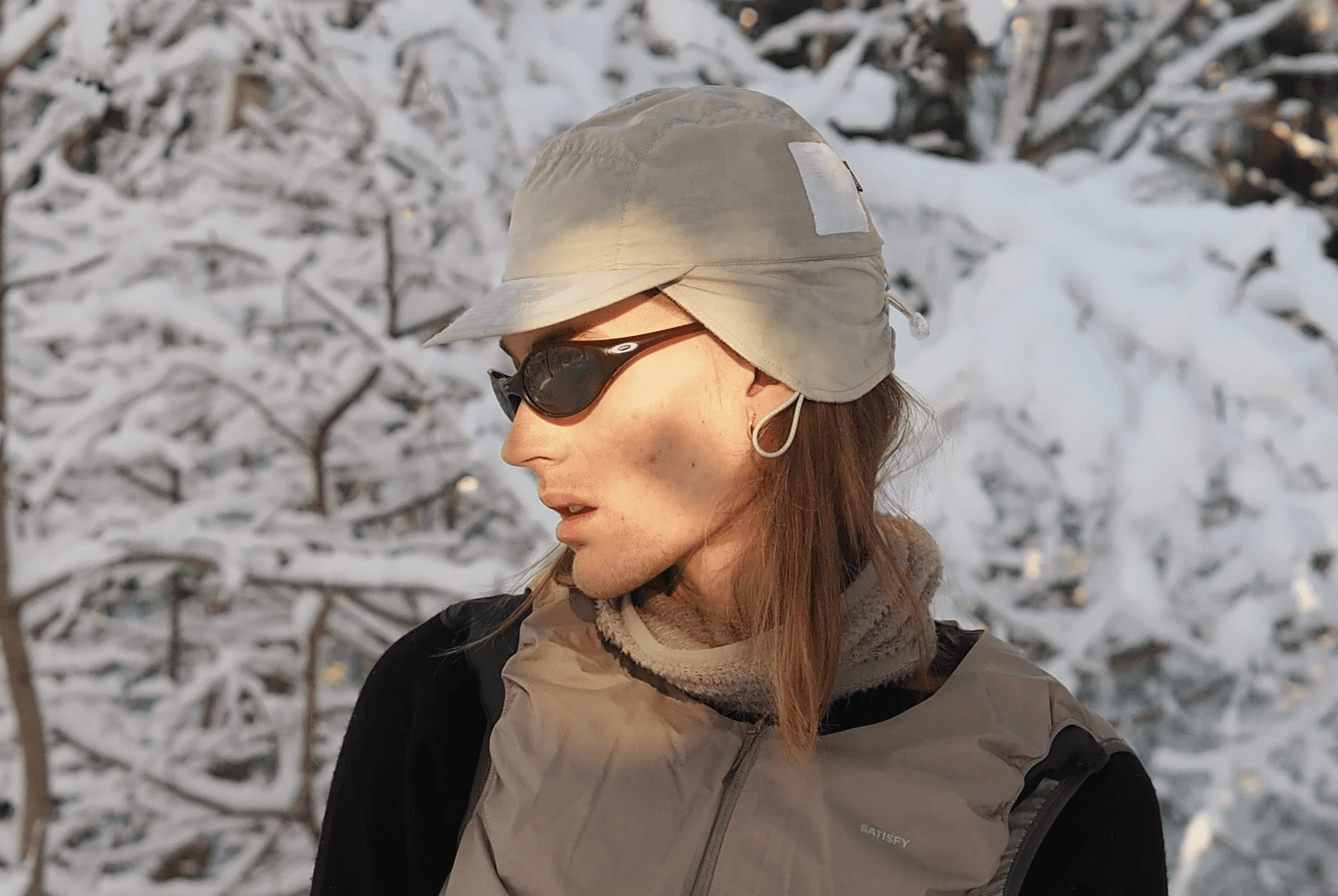
STIAN DAHL SOMMERSETH
ULTRARUNNER & SATISFY PRO ATHLETE
SPACE
On Running as a Social Act: Endurance, Community and The Privilege of Suffering
SPACE
Stian Dahl Sommerset is a Norwegian ultrarunner and endurance athlete, operating at the intersection of sport, community, and long-term responsibility. Alongside his athletic practice, he works in public service on environmental and infrastructure policy. Through long-distance running, collective efforts, and public-facing projects, his work explores endurance not as performance alone, but as a shared, social act shaped by time, responsibility, and care.
SPACE
SEASON
02
EPISODE
35
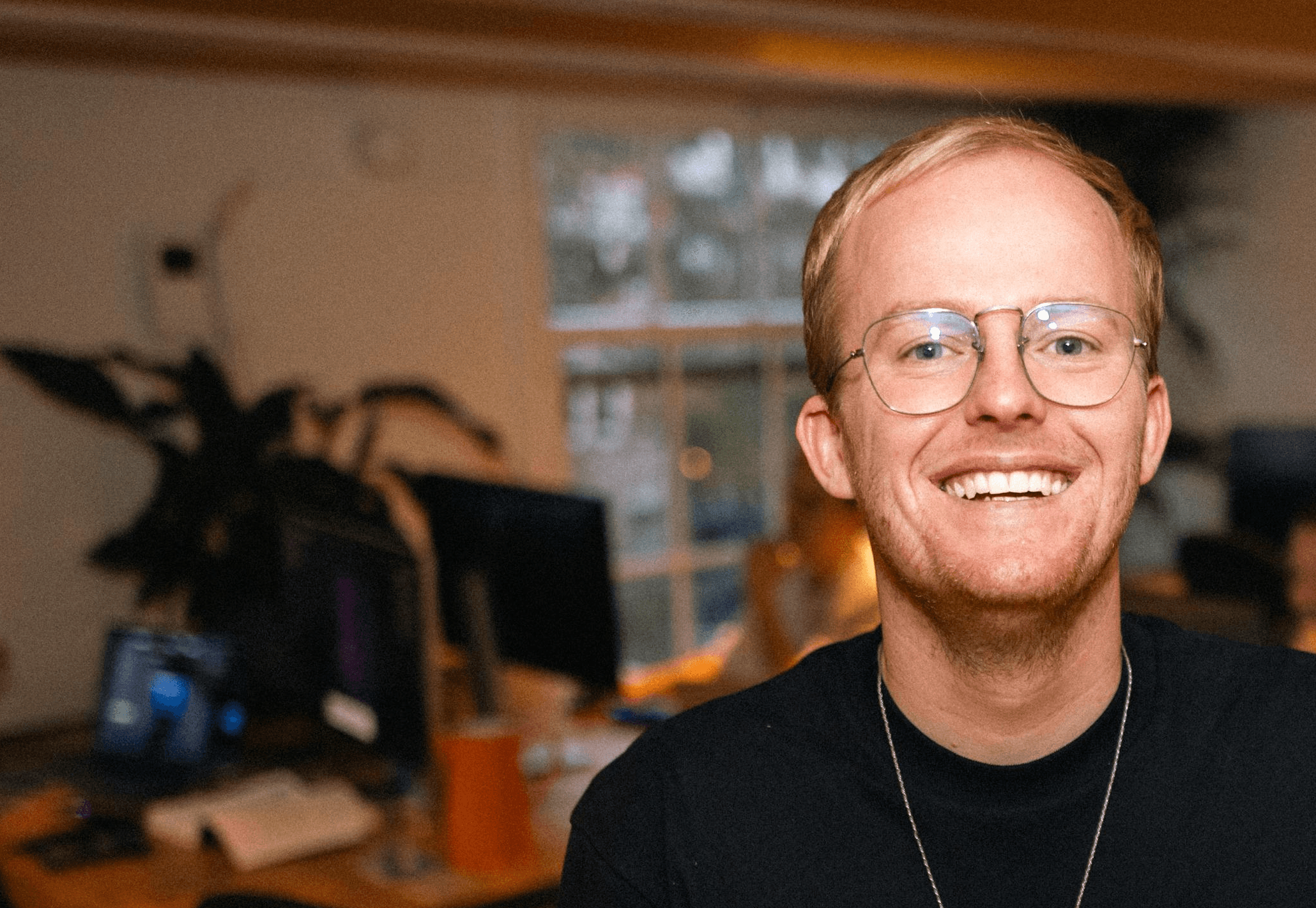
RENE VAN DIJK
Founder Rene.Studio / Scenographer & Visual Artist
SPACE
On Live Worlds: Scenography, Scale, and Decisions Under Pressure
SPACE
René van Dijk is the founder of Rene.Studio, and a scenographer and visual artist, working at the intersection of music, light, and large-scale live experience. Based in Amsterdam, he creates visual and lighting shows for electronic music artists and festivals, including Camelphat, Charlotte de Witte, Adriatique, and Tomorrowland, as well as for fashion brands like Louis Vuitton and Moncler — from intimate clubs to stages holding tens of thousands of people.
SPACE
SEASON
02
EPISODE
34
ANNE KREMERS
Director Fenix Museum
SPACE
On Building the Fenix Museum: Leadership, Loss, and the Making of a New Cultural Landmark
SPACE
Anne Kremers is the director of FENIX, the new migration museum in Rotterdam. Her career moved from becoming the Netherlands’ youngest museum director at 24, to several years in Hong Kong, and eventually back to Rotterdam. Today, she leads a museum that merges contemporary art, architecture, public space, and personal histories into one evolving institution. Anne speaks about leadership under pressure, the emotional stretch of parenthood and grief, the impatience that drives her, and what it means to carry the responsibility of a story that belongs to many. She reflects on confidence, doubt, resilience, and how a museum only becomes real the moment its doors open, and people step inside.
SPACE
SEASON
02
EPISODE
33
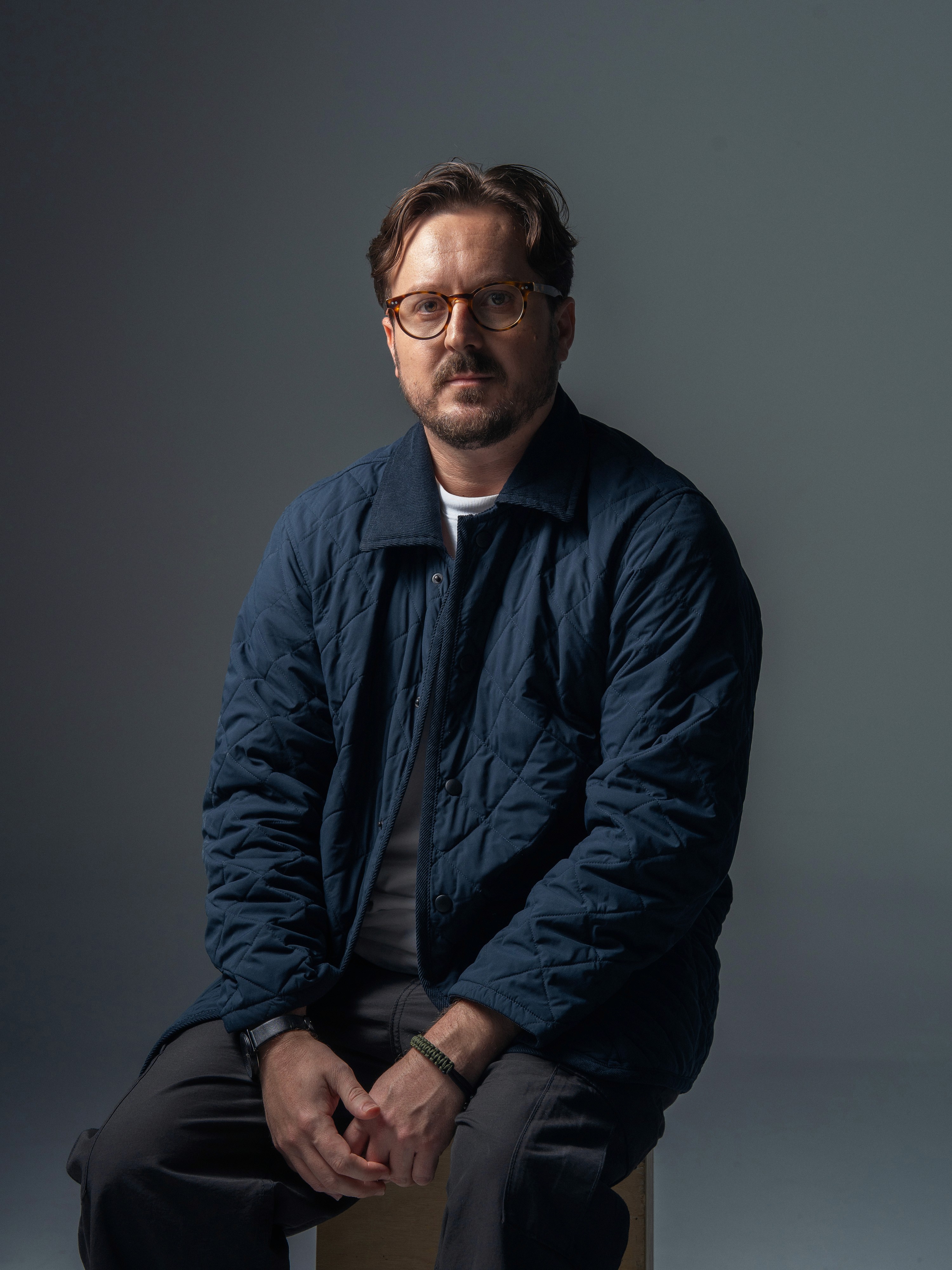
BEN WRIGHT
Founder & Creative Director PrettySoon
SPACE
On Creative Identity, Pressure, and Rebuilding Confidence
SPACE
Ben Wright is the founder and creative director of Pretty Soon, working across brand, culture, music, and sport. His path moves from Perth’s tight-knit creative scene to New York’s intensity, and by moments that opened doors, including collaborations with brands and people like Nike, Puma, Under Armour and ASAP Rocky. He speaks openly about confidence, anxiety, and what happens when ambition outgrows your ability to cope.
SPACE
SEASON
02
EPISODE
32