Fast to keep up. Grounded enough to hold.
Formal sessions, averaging two hours each
WhatsApp exchanges
Logged voice calls
Months active
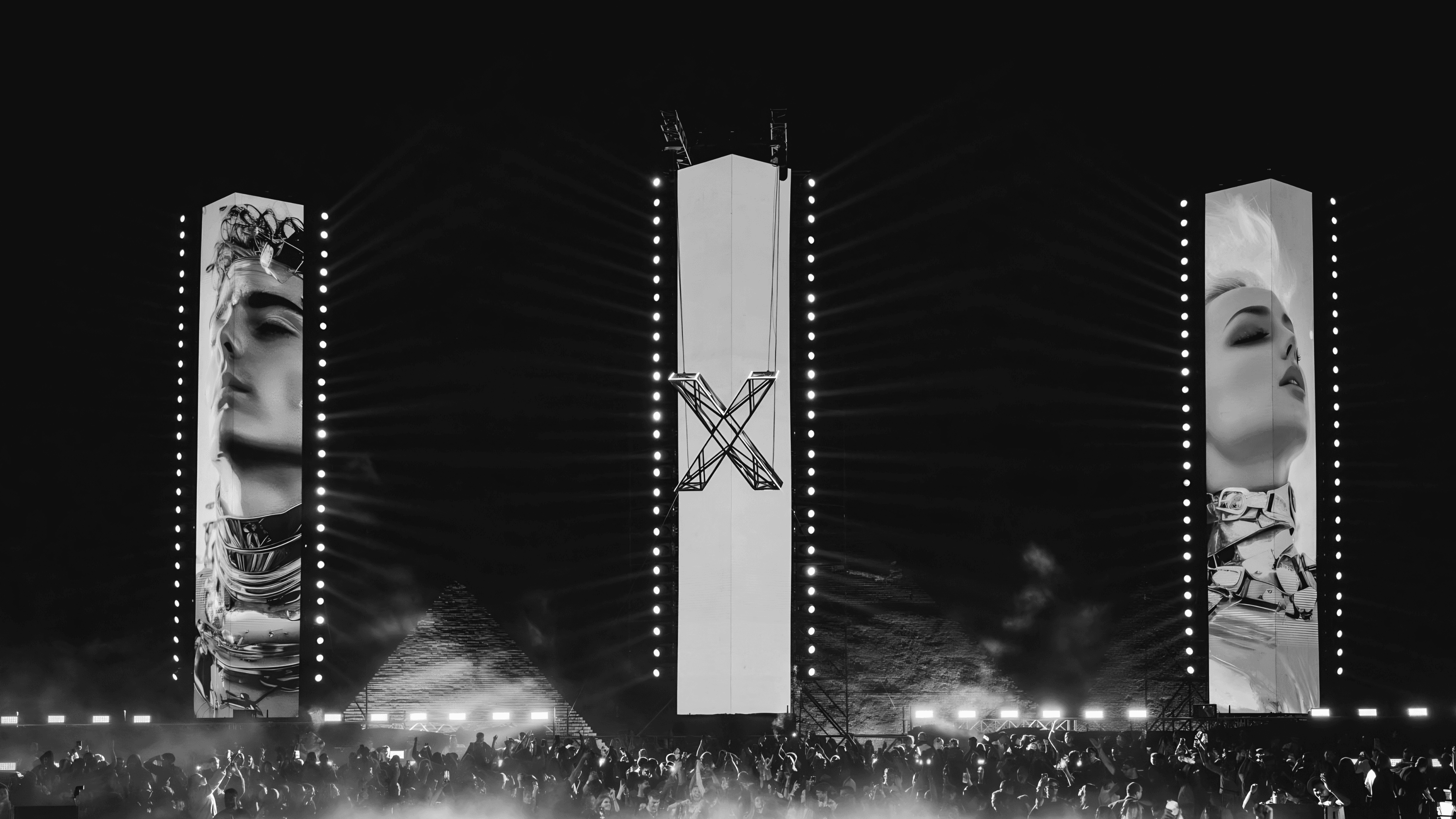
rene.studio builds scenographic installations, LED architecture and synchronised robotic systems for artists such as Adriatique and Charlotte de Witte, for Louis Vuitton and for Tomorrowland. The studio was growing fast, and its team structure had not kept up. Rene carried the projects, the people and the decisions himself, and a project manager could not yet run a show without him. He had a clear five-year plan and three-year goals, and knew the next twelve months would decide whether they held. The work put structure around the instinct: a team that scores itself honestly, a decision map for the hardest calls, and a founder who no longer holds every thread.
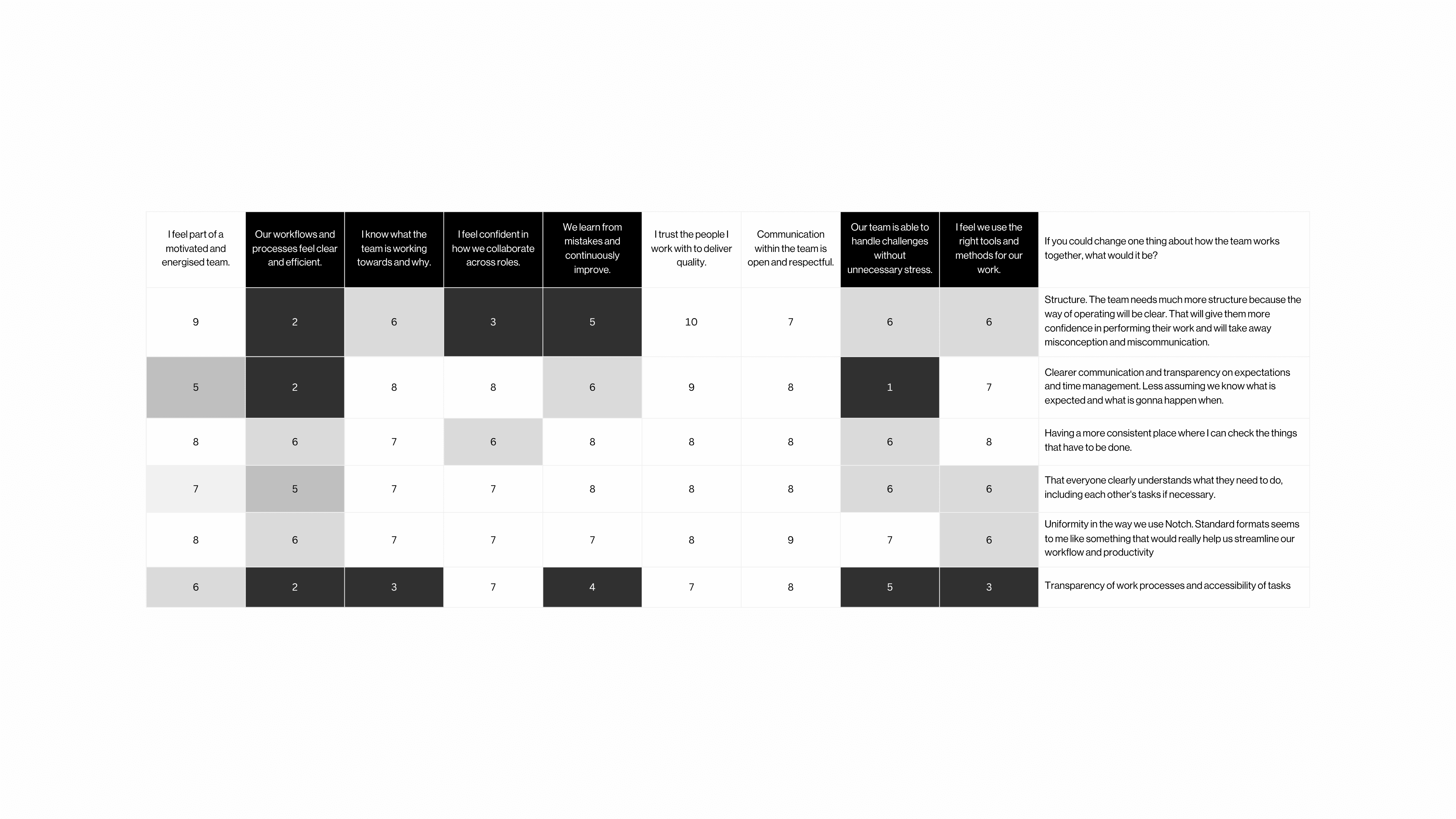
Trust in the team was never the question. Structure was.
Two workshops. Six team members scored across nine criteria, including direction clarity, collaboration confidence, tool fit, and stress tolerance. The scoring was anonymous. The patterns were not. Workshop 1, diagnosis: the team had trust. What it lacked was structure to operate within. Workshop 2, evaluation: friction reduced. Accountability beginning to distribute.
We put every piece of the puzzle on the table before touching a single one.
A major client. An international engagement in a territory where multiple governments had issued active travel advisories. Together, we mapped every dimension of the decision in fifteen minutes. Four areas. All layers surfaced before a single answer was given.
The relationship held. The values held.
The studio sat this one out on ethical grounds. We wrote the letter together. The client found a replacement for the event and continued the collaboration. The studio chose its people over the commission. The client respected that. What looked like a risk turned out to be the most effective thing the studio could have communicated about itself.